

Why Opening a Minor Account Can Help Kids Learn About Money
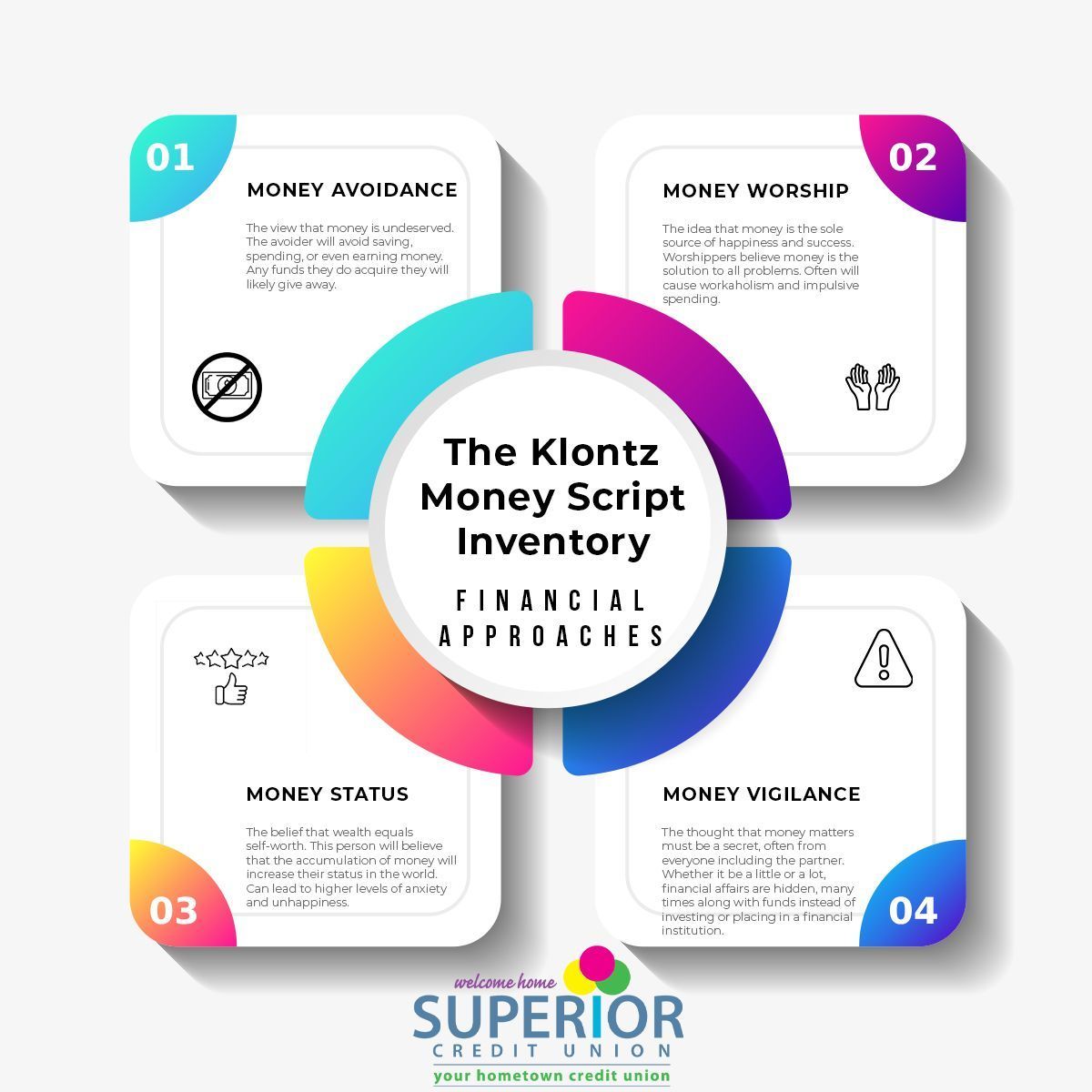
The Klontz Money Script Inventory outlines the different ways people look at money and how that informs their saving and spending habits.

Debt Snowball and Debt Avalanche are two different approaches to effective debt management and debt payoff. Each offering different methods to manage overwhelming debt.

Get to know the in's and out's of becoming or electing a Power of Attorney for your financial future.

Buying a used car can be a very stressful time. Read this blog and be prepared when shopping for your next vehicle. Buying used has benefits most don't realize!
Use this blog as a guidepost to filing your Federal, State, and Local taxes every year. Don't forget a thing with our tips and reminders!

Tips to recognize and avoid romance scams and how to protect your finances from exploitation.

Looking for free or low cost adventures for your family in Montgomery County, PA? Click here to see the list of fun activities we compiled just for you!

Explore tried and true ways to start saving money.

Budgeting can be difficult, but with this blog you will be quickly on your way to saving for your next big trip or purchase!

Planning for expenses that change from month to month can be challenging. Take a look at these tips to make it a little easier.

Knowing which expenses are a regular part of your budget is essential to successfully managing your money. Learn what fixed expenses are, how to track them, and how much room in your budget you should allocate for them.

Read to discover what red flags your budget may have, and how to easily fix them to get you back on the path to financial wellness.

Gift card scams are becoming BIG problem in the fraud world. Here's what you need to know and how to avoid a gift card scam.

The best way to protect your information is multiple layers of authentication. Learn about Two Factor Authentication (2FA) and how to make it work for you

Take a look at all your digital information out there, and asess your fraud risk, then use this checklist to get your accounts secured with our Fraud Prevention Checklist

Four simple tips that will make your black friday shopping trip easier, more fun, and less stressful.
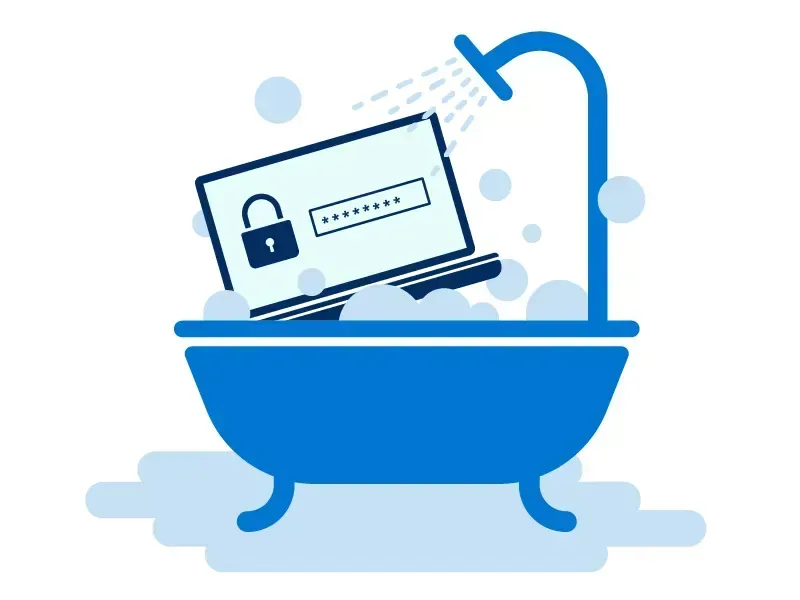
Setting up secure password practices will save you from fraud later. Read now to discover how to make it a reality
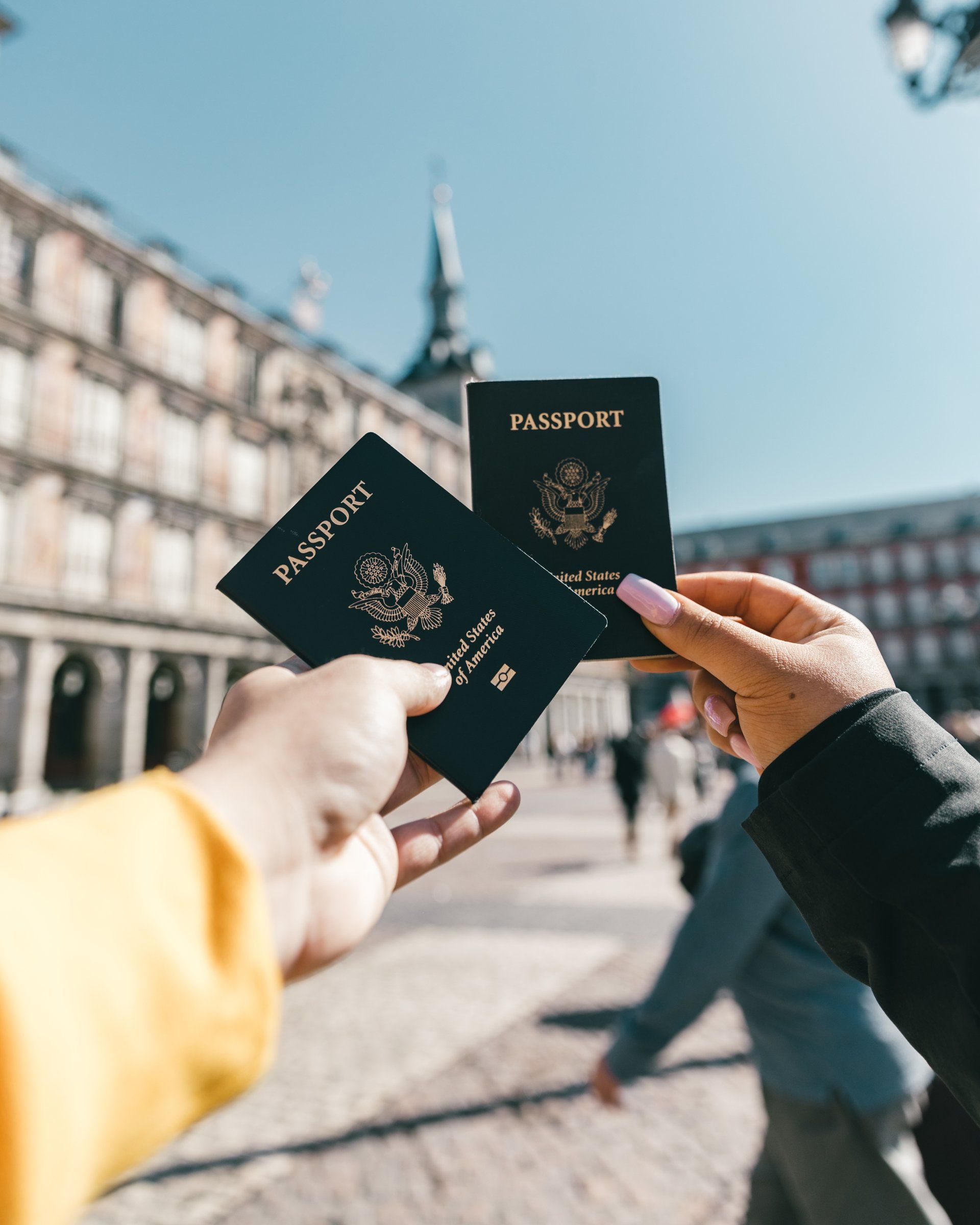
Traveling is stressful enough, without fraud slipping in and ruining your day. Plan ahead and read this to learn the latest travel scams and how to avoid them.
Recognizing the traits of the most common scams is the first step in protecting yourself against fraud.

Learn the tips to differentiate between a legitimate website and a fake or imposter one.
The basics to protecting your accounts and personal information against fraud are easy!
If you are new to the concept of financial fraud and scams, read this to "get in the know" and become an expert in protecting your own finances.

Getting to know credit card interest

When it comes time to choosing a credit card, there are many factors that must be considered. In a few easy steps we explain how to find the best fit for your spending habits and financial goals.

When choosing a credit card, all the new vocabulary can be intimidating. Here is a comprehensive list of concepts you should know before opening a credit card.

They say money creates happiness, but is that true? Take a look at five financial bad habits that you may be doing already, and how to break them.

Some questions you can ask yourself when considering opening a Certificate of Deposit.

Here are the 5 things you should know when researching a financial institution to open a checking account.
Vacations take time to plan, but why don't we take time to save for them also? Here are four reasons why you should start saving NOW for your next getaway!

Putting money away in a savings account is a good thing, however interest rates on a traditional savings are often very low. Here are different ways you can turn those pennies into dollars!