
Blog

August 20, 2025
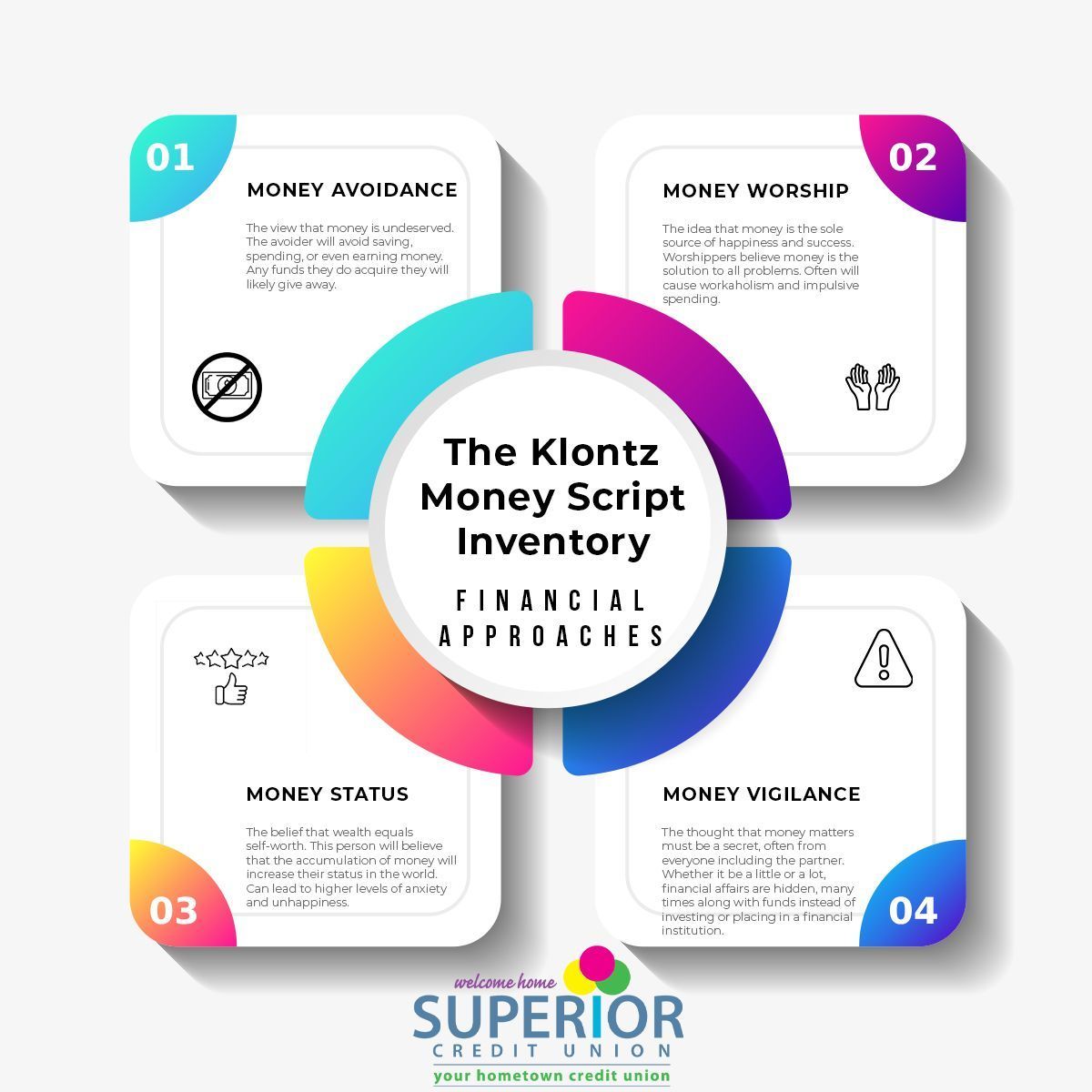
Uncovering Your Money Mindset: What the Klontz Money Script Inventory Can Teach You
August 11, 2025
Snowball vs. Avalanche: Two Proven Strategies to Tackle Debt When it comes to paying off debt, there’s no one-size-fits-all solution—but there are smart strategies that can help you take control and work toward a debt-free life. Two of the most popular approaches are the Debt Snowball and the Debt Avalanche methods. Each has its own strengths, and understanding the differences can help you choose the plan that best fits your personality, motivation style, and financial goals. ❄️ What Is the Debt Snowball Method? The Debt Snowball method, popularized by personal finance expert Dave Ramsey, is all about momentum. You start by listing all your debts from smallest to largest balance , regardless of the interest rates. Then: Make minimum payments on all debts except the smallest. Use any extra funds in your budget to aggressively pay off that smallest debt. Once it’s paid off, take the amount you were paying and apply it to the next-smallest debt— rolling your payments forward , like a snowball gaining speed and size. ✅ Pros of the Snowball Method : Quick wins : Paying off small debts fast feels good and builds confidence. Motivating : Seeing debts disappear keeps you energized. Simple to implement : It’s easy to follow and doesn’t require complex math. ❌ Cons of the Snowball Method: Interest costs more : You might end up paying more overall, because you’re not targeting high-interest debts first. �55357;�56536; Learn More: Dave Ramsey’s Guide to the Snowball Method �55357;�56613; What Is the Debt Avalanche Method? The Debt Avalanche method is designed for maximum interest savings . Instead of focusing on balance size, you focus on interest rate . Here's how it works: List all debts from highest interest rate to lowest . Continue making minimum payments on everything except the one with the highest interest . Pay off the most expensive debt first, then move to the next-highest rate, and so on. ✅ Pros of the Avalanche Method: Saves money : By eliminating high-interest debts first, you’ll pay less over time. Faster repayment (mathematically) : More of your money goes to principal, not interest. ❌ Cons of the Avalanche Method: Slower to feel progress : If your highest-interest debt is also your biggest, it may take a while to pay off your first account. Requires discipline : You need to stay focused even when results take longer to appear. �55357;�56536; Learn More: NerdWallet’s Breakdown of the Avalanche Method Investopedia’s Debt Avalanche Explanation �55358;�56800; Which Method Should You Choose? That depends on your personality and motivation: If you're the type who needs small victories to stay motivated, the Snowball Method may be the better fit. If you're numbers-driven and want to pay the least amount of interest , go with the Avalanche Method . Some people even use a hybrid approach : starting with a small snowball for motivation, then switching to avalanche to save money long-term. �55357;�56481; A Final Tip: Budget First, Always No matter which method you choose, the most important factor is your budget . Make sure you're spending within your means and not taking on more debt while you pay down existing balances. Try to: Cut unnecessary expenses, Build an emergency fund, And avoid new credit unless absolutely necessary. �55358;�56792;‍♀️ The End Goal: Freedom from Debt Whether you're rolling a snowball or triggering an avalanche, the ultimate reward is a life free from the stress of debt. Imagine what you could do with that monthly payment money once it’s yours again—save for a home, invest, travel, or simply rest easy knowing you're in control of your finances. Need help creating a plan? At Superior Credit Union , our financial counselors can help you decide which method works best for your unique situation—and help you stay on track every step of the way. Let me know if you’d like a shorter teaser post or a visual version of this for social media!
May 7, 2025
At Superior Credit Union, we often assist members who present a Power of Attorney (POA) document — but we’ve found that many people are unclear about what a POA actually means, how it works, and why it’s so important to have one in place. Simply put, a Power of Attorney is a legal document that authorizes a designated person (known as the agent ) to act on behalf of another person (the principal ). The agent can make financial, legal, or even health-related decisions for the principal, depending on the type of POA that has been created.
April 23, 2025
When it comes time to purchase a “new to you” vehicle, the options can feel overwhelming. Whether your current car just gave out unexpectedly or you're simply in need of an upgrade, shopping for a vehicle is a big decision—and one that often brings stress and uncertainty. At Superior Credit Union, we’re here to support you through all of life’s ups and downs. That’s why we’ve put together some of the top reasons why buying used might be the smart move for you. 1. Lower Prices Let’s start with the most obvious benefit—cost. The price tag for a brand-new car can cause some serious sticker shock. According to MoneyGeek , the average cost of a new vehicle in 2024 was $48,401. That’s a hefty chunk of change, especially if the purchase wasn’t planned. Compare that to the average cost of a used car. As of April 2025, CarEdge reports that used vehicles are averaging about $25,128. While used car prices are climbing slightly due to tax refund season, the difference in cost is still substantial—making used cars a much more budget-friendly option. 2. Lower Insurance Costs The cost of owning a vehicle doesn’t end with the purchase. Insurance is another major expense to consider—and one where used cars often come out ahead. When buying new, especially if you’re financing the vehicle, your lender may require full coverage, which is considerably more expensive than basic state minimum insurance. According to MoneyGeek’s insurance report for Pennsylvania , full coverage averages $1,381 per year, while the state minimum costs about $425 annually. That’s a difference of nearly $1,000 a year—money that could be going toward savings, emergency funds, or even your next vacation. 3. Reduced Depreciation Depreciation is the silent budget killer of new car ownership. Within the first year, a new car can lose 20% or more of its value. Over the first five years, that number can climb to a whopping 60% . Why does this matter? Because it means the brand-new vehicle you just paid top dollar for might only be worth half of what you paid in a few short years. Factors like make and model, fuel efficiency, and market conditions all play a role. Kelley Blue Book ( KBB.com ) recommends considering vehicles that are just one model year older than new. You’ll save as much as 20% while still enjoying many of the same features and technology as a brand-new car. Plus, depreciation slows significantly after five years, so your money holds its value longer when you buy used. 4. Certified Pre-Owned Programs Worried about the reliability of a used car? Certified Pre-Owned (CPO) programs might be the perfect middle ground. Many dealerships offer these programs for used vehicles that meet specific quality standards—usually lower mileage, clean maintenance history, and better overall condition. CPO vehicles undergo a thorough inspection process and often come with added benefits like extended warranties and roadside assistance. According to Consumer Reports , CPO vehicles have 14% fewer issues than regular used cars, and typically cost only about 1.8% more . So, while you’re saving by buying used, you can still enjoy extra peace of mind by choosing a CPO car. Final Thoughts... Purchasing a car—whether new or used—is always a major decision, but it doesn’t have to be a stressful one. At Superior Credit Union, we’re here to help you make smart financial choices that fit your life and your budget. Thinking about financing a used vehicle? Talk to us about our competitive auto loan rates and get pre-approved today. Let us help you hit the road with confidence!
April 14, 2025
Tax Checklist: Things to Remember
February 13, 2025
Tips to recognize and avoid romance scams and how to protect your finances from exploitation.
July 17, 2024
The Dog Days of Summer Are Upon Us
July 11, 2024
Keep Your Money Safe With These Tips
July 9, 2024
Tracking your spending is the first step toward greater financial awareness and, ultimately, toward financial health. However, mastering this skill is easier said than done. How can you track every dollar you spend when you make multiple purchases each day? We’ve outlined how to track your spending in 3 easy steps.
January 31, 2024
Planning for expenses that change from month to month can be challenging. Take a look at these tips to make it a little easier.
January 24, 2024
Knowing which expenses are a regular part of your budget is essential to successfully manage your money. Learn what fixed expenses are, how to track them, and how much room in your budget you should allocate for them.
January 17, 2024
Is Your Budget Working?
January 10, 2024
In 2022, almost 49,000 people were conned out of nearly $228 million in gift card scams, says the FTC . This number is staggering, considering total gift card sales for 2023 were estimated at being almost $29.3 billion. That is a lot of money being stolen from the hands of hard working consumers. The rise in gift card scams isn't by chance. Cards like these are an easy target, as they are almost completely untraceable, meaning once the money is gone from the card, it is virtually impossible to recover or find out who stole it.
January 3, 2024
What is it?
By RStatzell November 18, 2023
Here is a simple list of things you can accomplish today to protect yourself from fraud.
November 18, 2023
Four simple tips that will make your black friday shopping trip easier, more fun, and less stressful.
November 9, 2023
Do you use the same towel to dry your hair and your dishes?
November 8, 2023
Fraud can happen at home or abroad...
October 25, 2023
Recognizing the traits of the most common scams is the first step in protecting yourself against fraud.
By RStatzell October 18, 2023
Learn the tips to differentiate between a legitimate website and a fake or imposter one.
October 7, 2023
The basics to protecting your accounts and personal information against fraud are easy!
October 4, 2023
An Introduction to Fraud
By RStatzell September 27, 2023
Getting to know credit card interest

September 20, 2023
When it comes time to choosing a credit card, there are many factors that must be considered. In a few easy steps we explain how to find the best fit for your spending habits and financial goals.

September 6, 2023
When choosing a credit card there will be many new terms that you will have to learn. Here is a comprehensive list of concepts you should know before opening a credit card.

By RStatzell August 28, 2023
They say money creates happiness, but is that true? Take a look at five financial bad habits that you may be doing already, and how to break them.
August 25, 2023
Some questions you can ask yourself when considering opening a Certificate of Deposit.
August 25, 2023
Here are the 5 things you should know when researching a financial institution to open a checking account.

August 25, 2023
Vacations take time to plan, but why don't we take time to save for them also? Here are four reasons why you should start saving NOW for your next getaway!

August 25, 2023
Putting money away in a savings account is a good thing, however interest rates on a traditional savings are often very low. Here are different ways you can turn those pennies into dollars!